Walking Through History at Yongin Daejanggeum Park
Visiting Yongin Daejanggeum Park was like stepping into a dream that felt impossibly real. About a two-hour drive from Seoul, the journey there was long, and on the way back I even got motion sick but every moment was worth it. I rented a taxi for the day, which made the trip easier and gave me time to soak in the anticipation and reflection along the way.
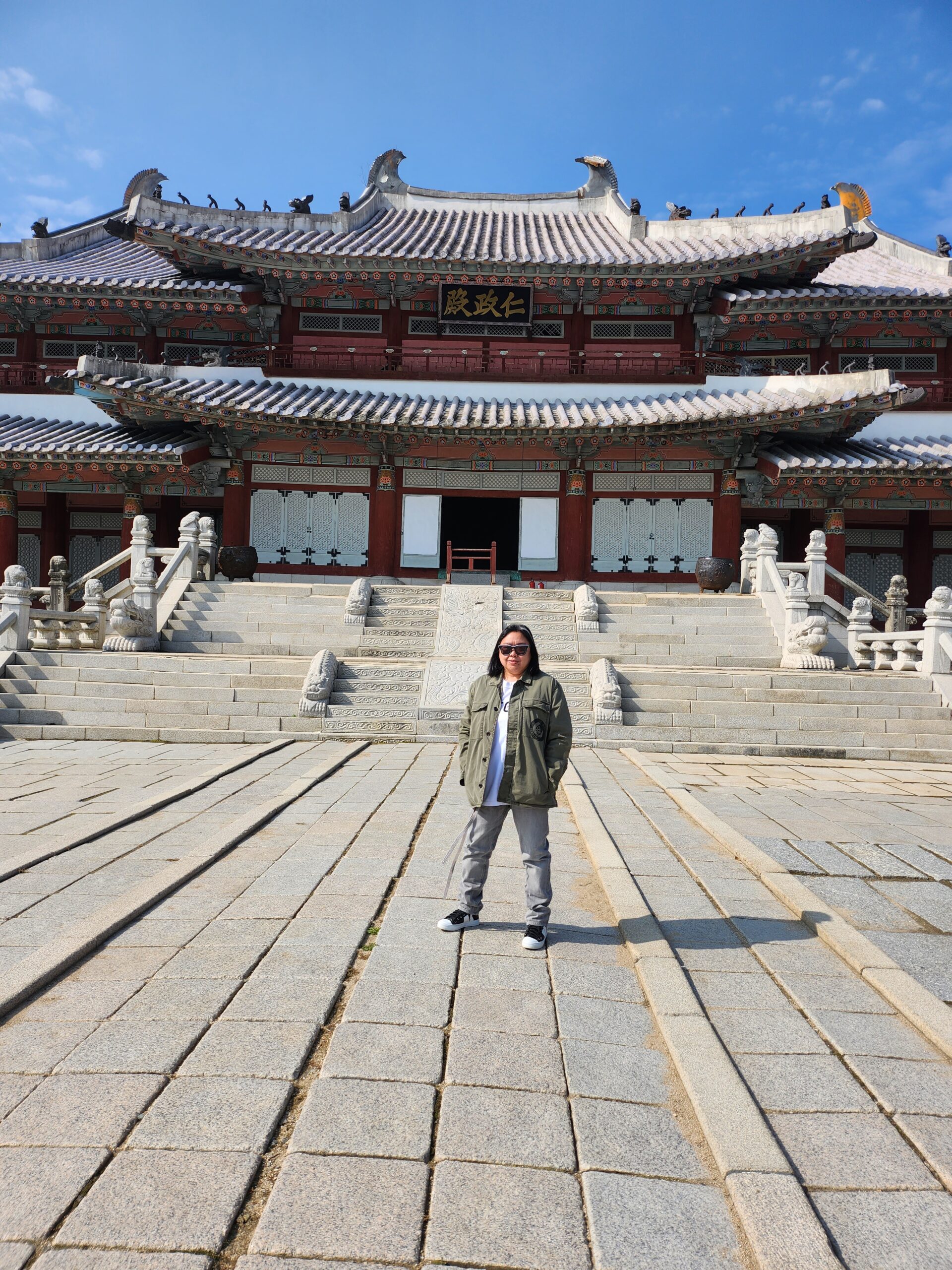
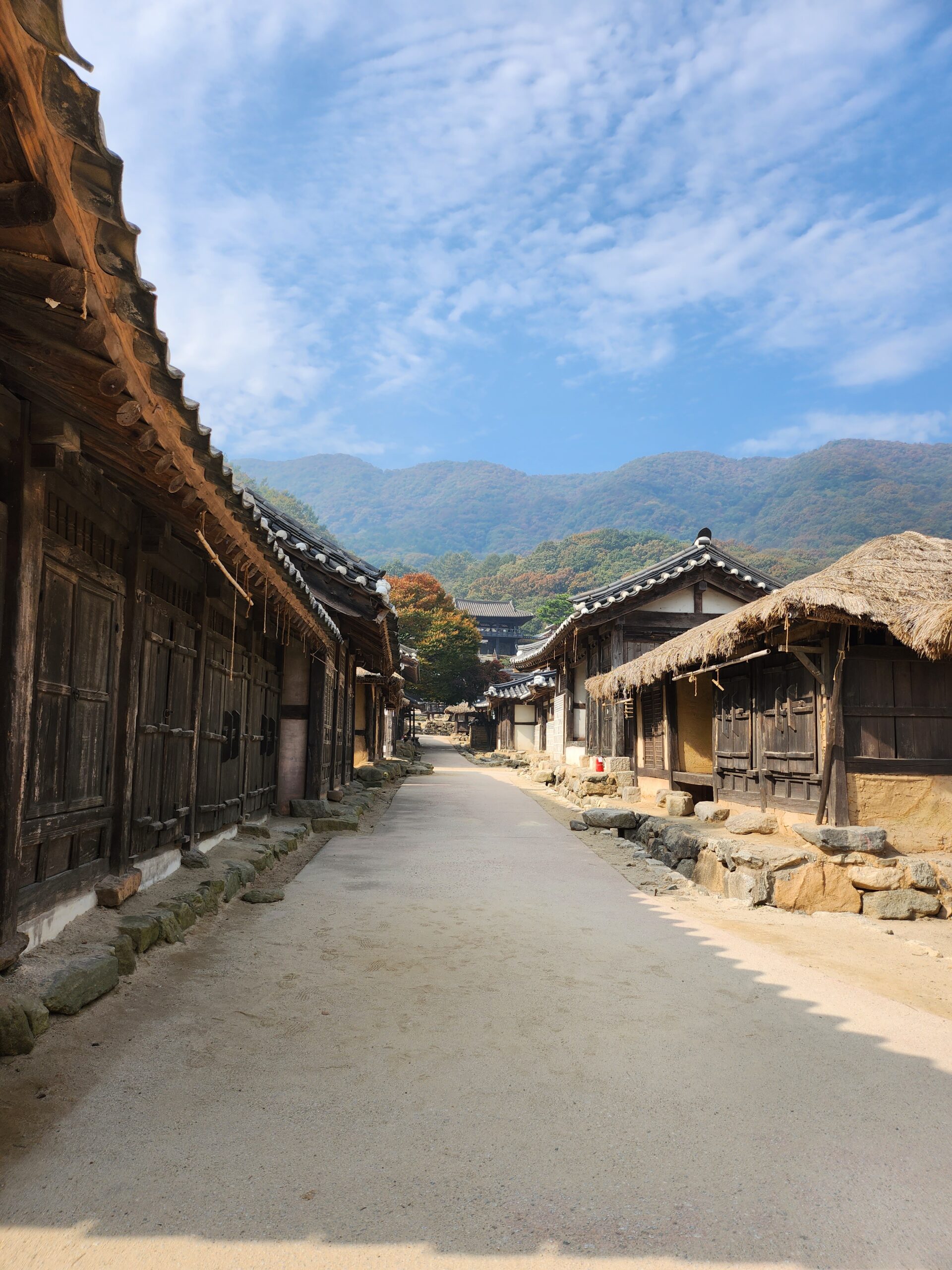
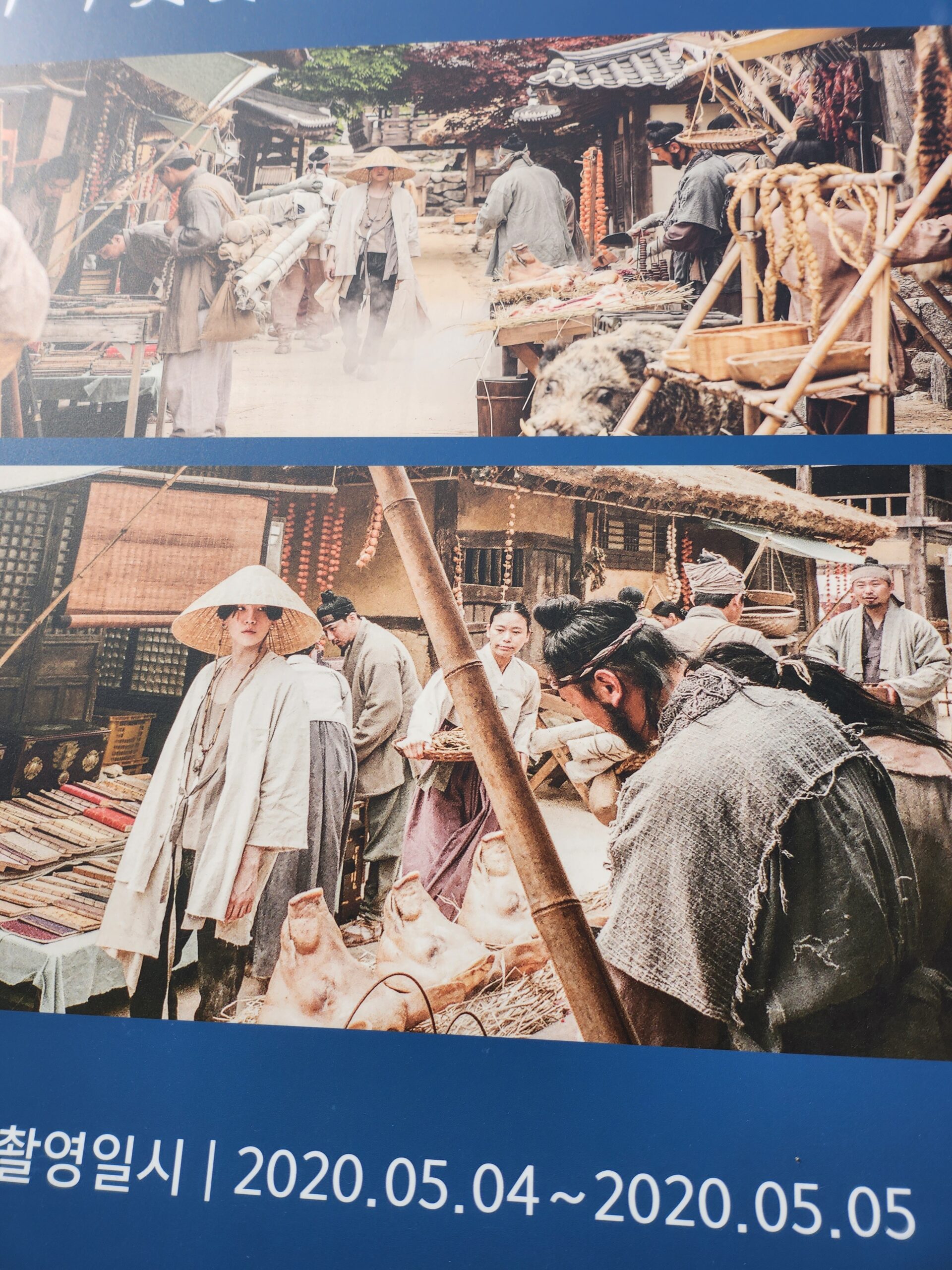
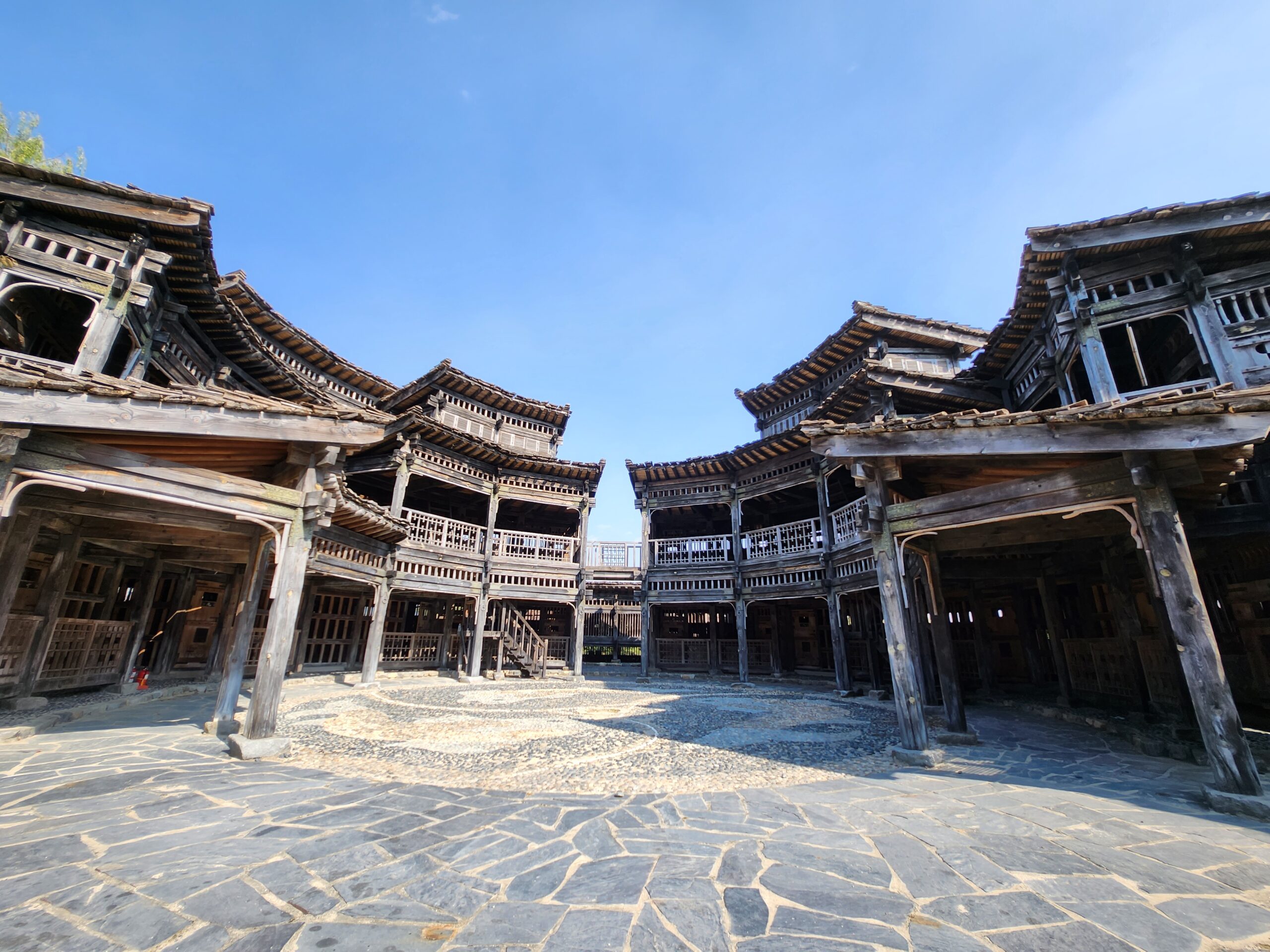
The park preserves ancient Korean architecture and historical sets, and it’s the very space where SUGA shot the Daechwita MV, a place where history, art, and emotion collide. Walking through the old streets and grand palaces, I felt the weight of centuries in every beam and stone. At one point, I paused in silence, overwhelmed by the beauty of it all, and tears came unbidden. One of the Daechwita scenes was filmed in an actual old prison, and standing there, you could almost feel the pain and sorrow lingering in its walls. It was haunting, raw, and profoundly moving.
Being in the same spaces where SUGA performed, seeing him deliver his artistry with such intensity made the place feel alive in a way that’s hard to put into words. It wasn’t just a set; it was connecting to him, to his energy, to the emotion he poured into his performance. And as if the universe wanted to make the day even more surreal, I witnessed an actual K-drama filming happening right there. Seeing life, history, and creativity intertwine in real time was almost magical.
Yongin Daejanggeum Park is more than a studio or historical site, it’s a living canvas. It makes you feel deeply, echoing with the stories of the past and the artistry of the present. Despite the long drive, the motion sickness, and the whole day it took to go and return to Seoul, I would do it all again in a heartbeat. Being here, in this space where SUGA’s artistry and history meet, leaves a memory that lingers long after you leave.